Tag Archive for: Leadership Coaching Services

How Town Halls Strengthen Teams & Trust

Why Town Halls Matter

A town hall isn’t just a meeting—it’s an opportunity to reinforce company culture, provide clarity, and engage employees at every level. When done well, it can transform how a team feels about leadership and the organization’s direction.

Key Takeaways:

  • Strengthens trust and credibility between leadership and employees
  • Aligns the team with company goals and values
  • Creates a space for real dialogue and employee feedback
  • Helps prevent confusion and workplace rumors before they spread

The Power of Communication in Leadership

Leaders who communicate effectively create teams that are more engaged, productive, and invested in the company’s success. But communication isn’t just about talking—it’s about listening, too.

Ways to Strengthen Your Leadership Communication:

  • Make your message clear, direct, and consistent
  • Create opportunities for employees to ask questions and share concerns
  • Use storytelling to make complex ideas more relatable
  • Reinforce the company’s mission and vision regularly, not just at big meetings

What You Can Expect from a Well-Run Town Hall

A town hall isn’t about checking a box—it’s about creating a meaningful experience for your employees. When done right, the impact is tangible.

Signs of a Successful Town Hall:

  • Employees leave with a stronger sense of clarity and direction
  • Engagement levels increase because employees feel heard and valued
  • Alignment improves between leadership and teams, reducing silos
  • Transparency increases, leading to a more open and accountable culture

Best Practices for Running an Effective Town Hall

It’s not just what you say—it’s how you structure the conversation that makes all the difference. Here’s how to maximize impact:

Practical Steps to Improve Your Next Town Hall:

  • Keep the agenda focused and intentional—don’t overload it with updates
  • Have senior leadership present and actively engaged in the discussion
  • Make it interactive—allow Q&A, polls, or breakout discussions
  • Follow up after the meeting with key takeaways and action items

Final Thoughts

  • Communication is the foundation of strong leadership, and town halls are one of the most effective tools to bring teams together. If you’re not using them strategically, you’re missing an opportunity to build trust, clarity, and engagement.
  • How are you using communication to strengthen your leadership? I’d love to hear your thoughts. Please connect with me to discuss strategies for making your next town hall more impactful.
  • Whether you’re seeking executive coaching, strategic business consulting, leadership retreat facilitation, or a dynamic town hall host, I’m here to help.
  • Reach out today—I’d love to discuss how we can work together. Phone: 604-616-1967 | Email: jenny@jennyreilly.com

Leading Through Q4: Strategies for the Finish Line

As we enter the year’s final quarter, it’s time to reflect, refocus, and set the course for a strong finish. Great leadership is about both vision and action—holding ourselves accountable for the goals set this year and purposefully leading our teams to success.

With Q4 upon us, let’s concentrate on aligning priorities, making the necessary adjustments, and driving the results that matter most before year-end.

Q4 Intentionality: Reflect, Refocus, and Recharge

Reflect on Q3 successes and challenges. What went well, and where must you adapt to finish the year strong?
Set clear, focused objectives for the next three months that align with your vision and empower your team.
Use this moment to recharge your leadership approach—what mindset will serve your team best in this final stretch?


Leadership Accountability at Its Core

Creating a culture of accountability is essential for effective leadership, especially during high-stakes times like Q4. Accountability is more than assigning tasks; it’s about fostering a mindset where every team member takes ownership of their responsibilities. When everyone understands their role and how it aligns with the broader vision, it drives engagement, clarity, and purpose.

One way to reinforce this culture is by defining clear projects and establishing accountability structures that leave no room for ambiguity. By setting specific objectives with clearly defined owners and measurable outcomes, leaders can ensure that each team member knows what success looks like and what they need to do to achieve it. This clarity is the cornerstone of a culture where accountability is embraced and practiced daily.

As we move into Q4, it’s crucial to double down on key metrics that will define success for the quarter. Aligning these metrics across the leadership team ensures that all efforts are synchronized, making progress consistent and measurable. This collective focus drives results and helps identify gaps early, allowing for quick course corrections. When accountability becomes a shared value, it sets a strong foundation for achieving goals and motivates the entire team to push forward with purpose.


Establishing Your Quarterly Priorities: Translating Strategy into Action

Reestablishing clear and compelling Q4 priorities is crucial for maintaining momentum and setting the stage for a solid start to the new year. Priorities serve as the compass that guides your leadership and your team, ensuring that everyone knows what to focus on during the next three months. Setting effective priorities means identifying the projects or objectives that will significantly impact your goals, providing the momentum necessary for the upcoming year.

To make these priorities meaningful, they must come with measurable outcomes. Consider what success will look like for each priority—how will you know when you’ve achieved it? Whether it’s increasing a specific metric, completing a key project, or enhancing a certain process, defining the desired outcome will help keep your team on track and motivated. Measurable outcomes also allow for accountability and provide the opportunity to celebrate tangible progress.

Finally, effective priorities are about maintaining leadership alignment. When everyone understands the focus areas and how their roles contribute to these key objectives, it ensures the entire team moves in the same direction. This shared understanding minimizes distractions and keeps everyone engaged, working toward common goals. As we approach year-end, strong alignment around well-defined priorities will make all the difference in achieving consistent progress and positioning the team for future success.

Leadership Development: Elevate Your Skills to Finish Strong

In the final quarter of the year, enhancing your leadership skills is vital for both achieving organizational objectives and supporting your team effectively through the challenges that year-end brings. One powerful approach is to adopt a coaching mindset. As a leader, stepping into the role of a coach involves providing thoughtful feedback, offering consistent support, and creating opportunities for your team to grow. By doing so, you empower others to realize their full potential, which ultimately strengthens your organization.

Emotional Intelligence (EQ) is another critical aspect of effective leadership, particularly during demanding periods like Q4. Developing your EQ means practicing empathy, maintaining clarity in your communication, and remaining composed under pressure. High emotional intelligence allows you to connect meaningfully with your team, understand their needs, and keep them motivated even when stress levels rise due to end-of-year goals.

Leading through change is also fundamental during this period. With year-end comes inevitable adjustments—new targets, revised strategies, and preparations for the upcoming year. Successfully navigating these changes requires clear communication and a calm demeanor. By communicating expectations openly and addressing any concerns head-on, you help keep your team focused and aligned during times of transition.

Finally, make time for personal reflection on your growth as a leader throughout the year. Consider your key achievements and identify areas that you still want to improve upon. Leadership development is an ongoing journey, and understanding your progress will help guide your focus moving forward. By continually refining your leadership abilities, you set a powerful example for your team, inspiring them to grow and succeed alongside you.


Celebrating Wins and Setting the Tone for Year-End

Celebrating successes from Q3 is a powerful way to boost morale and build motivation for the final quarter. Taking the time to recognize big and small achievements creates an atmosphere of appreciation and energizes the team for the year-end push. It is equally important to highlight emerging leaders, highlighting their contributions and reinforcing their growth. Recognizing these individuals supports their development and sets a positive tone for the upcoming year, encouraging others to step up.

Fostering an environment of energy and optimism is essential. Even during peak workloads, maintaining positivity ensures the team stays engaged and inspired to give their best effort. As we move through Q4, it’s important to remember that this period is about finishing strong and laying the groundwork for an even stronger year ahead. Align your priorities, lead with intention, celebrate progress, and stay focused on what matters most. Your growth as a leader is the driving force behind the entire team’s success.
Navigating the Now: Mastering Leadership Flexibility

Proactive Leadership: Embedding Flexibility into Your Organization

In today’s fast-paced world, leaders need more than just a solid strategy—they need flexibility. Building this adaptability within your organization is essential for navigating disruptions and staying ahead of the curve.

Why Flexibility Matters

The future is filled with challenges, from economic shifts to unexpected global events. Even the most successful organizations can struggle if they don’t have flexible structures in place for budgeting, resource allocation, and decision-making. 

Identifying Key Areas for Flexibility

Start by pinpointing three to five critical areas in your organization or team that could hinder your ability to adapt. Common areas to consider include:

  • Performance Targets: Traditional KPIs and reviews can quickly become outdated if external conditions change. Sticking to unrealistic targets can demoralize teams or lead to poor decisions. 
  • Decision-Making Processes: Simplifying and speeding up complex decision-making can give your organization a competitive edge when agility is crucial. Flexibility in decision-making empowers you to steer your organization in the right direction, even in the face of uncertainty.
  • Critical Roles: If key individuals struggle with change and adapting procedures, it can cause delays in implementing necessary changes in people, resources, or strategy.

Action Steps for Building Flexibility

To ensure your organization stays adaptable, implement regular check-ins on key areas. Here’s how:

  1. Anticipate the Unexpected: Schedule a quarterly check-in with your team to discuss potential disruptions that could impact your operations. Use this time to identify necessary adjustments, such as talent shifts or process changes. Regular discussions will sharpen your team’s ability to recognize and respond to change quickly.
  2. Integrate Flexibility into Budgeting: Treat your budget as a living document. Conduct monthly reviews to identify areas where quick adjustments might be needed, like responding to a sudden supply chain disruption. This proactive approach ensures that your team is prepared to make necessary changes immediately.
  3. Create Adaptive Performance Metrics: Regularly reviewing and updating performance targets and KPIs ensures they remain relevant and achievable. This practice not only keeps your team focused but also reassures them that their efforts are aligned with the current realities, fostering a proactive mindset and keeping your organization moving forward.
  4. Navigate Long-Term Contracts with Agility: Review your B2B contracts to ensure they include clauses for automatic adjustments, such as currency fluctuations or material costs. This foresight protects your cash flow and profitability, allowing you to respond to market changes.
  5. Adapt Your Workforce Quickly: Regularly assessing your team’s structure and readiness to adapt ensures you can quickly reassign or restructure roles in response to changing circumstances. This readiness not only enhances organizational agility but also makes your team feel prepared and ready to face any challenge, keeping you competitive.


Flexibility isn’t just about reacting to change; it’s about proactively preparing your organization to thrive in any environment. By regularly checking in on these key areas, you’ll build a culture of adaptability that empowers your team to navigate uncertainty confidently.

Book your complimentary 30-minute consultation now or email us at askme@jennyreilly.com to schedule a convenient time.

Leadership Tools For Your Day-To-Day

I am sharing two leadership tools with you to help you focus on your role.

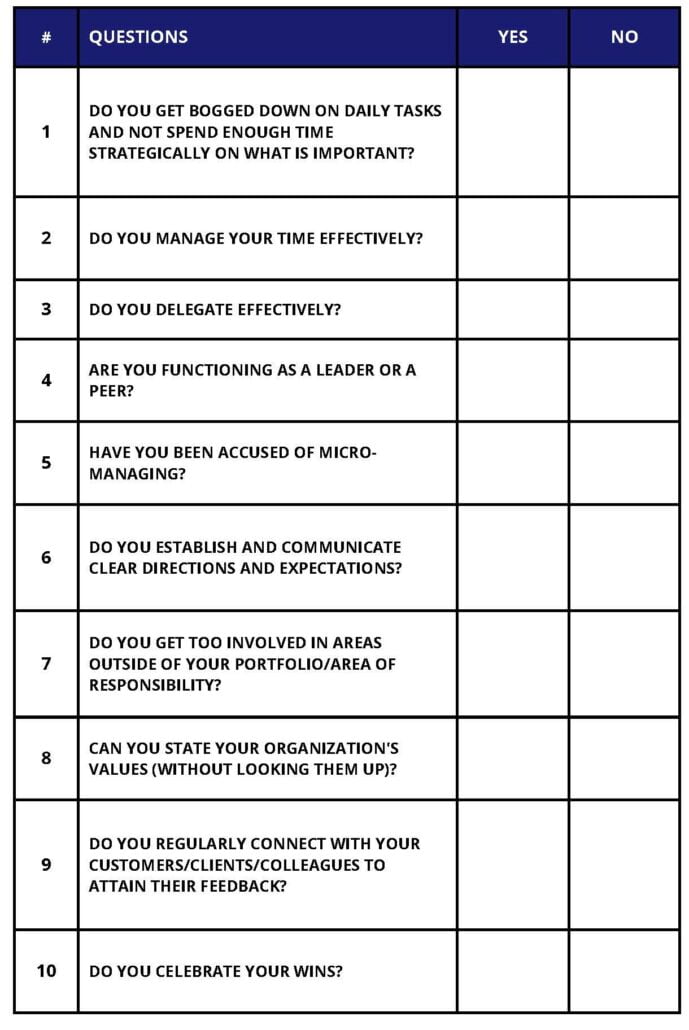
  1. A brief questionnaire to help you identify your leadership focus.
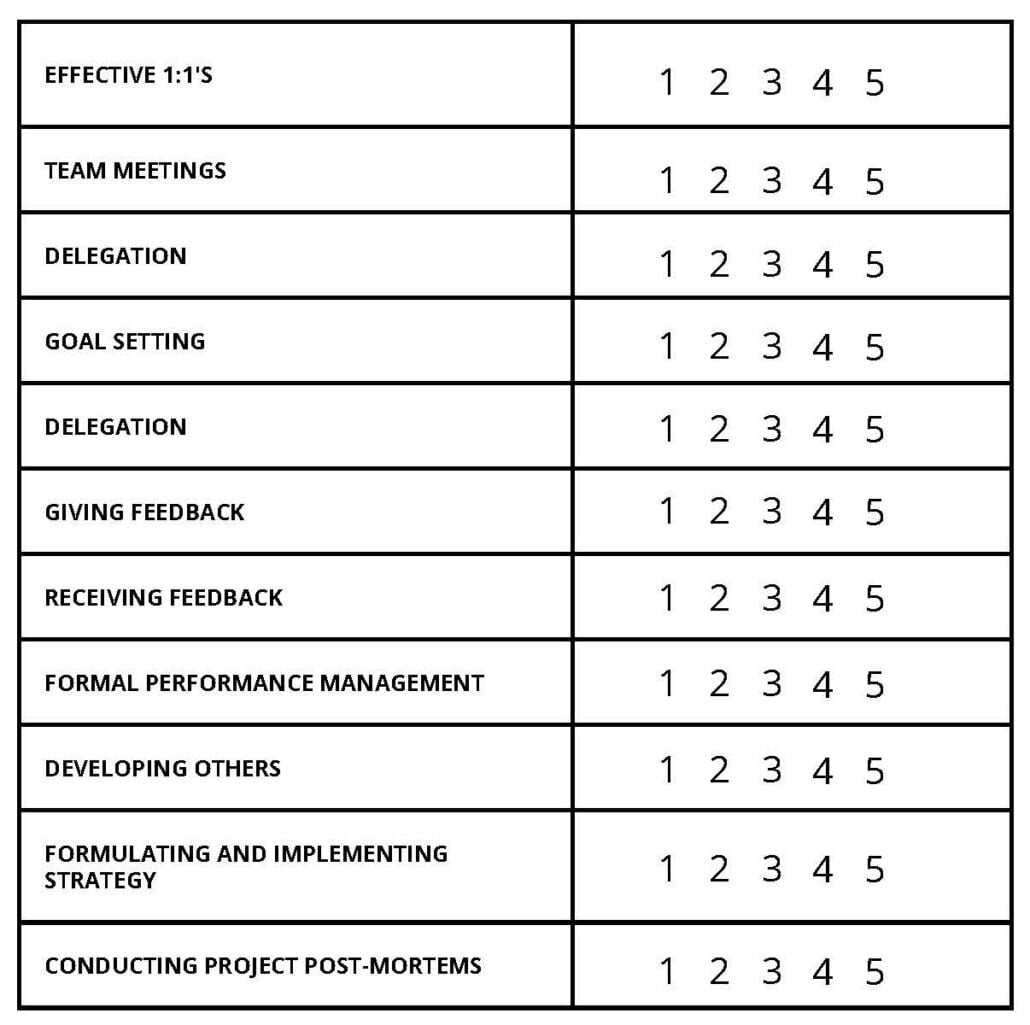
  2. A self-ranking assessment to assist you with your core leadership activities.

Tool 1: How is Your Leadership Focus?

STEP 1: Answer the following ten questions in the questionnaire below with a yes or no answer.

STEP 2: Prioritize your ‘yes’ answers in order of what would help you most in your role if improved.

STEP 3: Select the top three, and list one thing you can do in each area to improve. These are your top 3 areas to focus. Implement these actions into your schedule to follow through to ensure improvement.

Leadsership Tools - Questionnaire


Tool 2: Your Core Leadership Activities

Leadership requires continual development. Competencies can be strengthened when managing yourself and your team and supervising managers, leads and senior leaders.

HOW DO YOU RATE YOURSELF ON YOUR CORE LEADERSHIP ACTIVITIES?

Step 1: Rate yourself on a scale of 1 (being low) – 5 (being excellent) on the following.

Step 2: In areas where you are rating yourself low, prioritize improvement for next month.

Leadsership Tools - Core Activities


If you have any questions about these leadership tools or want to learn more on the powerful benefits of executive coaching to elevate your leadership success, please contact us, or reach out directly to jenny@jennyreilly.com and book a complimentary 30-minute strategy session.


Leadership Inner Circle

FIVE CORE LEADERSHIP TACTICS

There are five leadership tactics that I follow that help me in my consulting practice. I encourage you to think about how they could help you in your position.

1.) Planning Backwards:

Focusing on the future and planning backwards is an effective leadership tactic. It encourages unconstrained thinking and disruptive ideas and will help you to propel your organization forward. Once you have a focused vision, align your people to engage on goals, and develop a comprehensive action plan to move forward.

  • Where do you want to be professionally and personally one year from today?
  • What do you need to do to get there? (Of your action items, prioritize them in sequenced order and develop an action plan on what is required in each step.)

2.) Purpose-driven and value-focused:

My consultancy purpose and values determine my guiding principles. If you have not listed your guiding principles, it is time to do so. Your guiding principles outline how you operate, the organization’s role and the individual within. 

  • What is your company vision, purpose statement/mission, and what values define how you do business? 

3.) Intentionally listen actively:

Leadership is a conversation. Improving your listening ability will be a cornerstone of your leadership success. Listening will assist you in problem-solving, determining and implementing innovative ideas, defining process improvements, and developing new ideas for faster and better outcomes. Engage your team, clients/customers and external stakeholders in a discussion on progress once modifications have been agreed upon, design and circle back to question if you have it right. 

4.) Innovate continually.

You cannot afford to become too comfortable and complacent. Customer and client preferences in the product or service area you are offering are continually changing. Technology advances will improve speed and results, can transform our processes, and adaption of best practices. Quarterly question processes, this will help you retain focus on improvement and will become part of your culture. Encourage bottom-up and top-down idea initiatives for improvement. Make decisions faster and base them on data with a focus on quality. Quarterly, prioritize the top three areas you can innovate to bring the greatest return to your organization. 

5.) Performance – think short and long-term.

To thrive in the long term, we need to have not only long-term goals but also short-term goals to gain momentum. Future-proof your performance by answering the questions below: 

  • What trends are influencing your business and sector?
  • What are your customers and clients seeking or asking that is not currently being provided? 
  • What is your data telling you? The facts have the answers. 
  • Ask your employees for feedback on what is working and what isn’t and any suggestions they have for improvement.
  • What are your duties and responsibilities – are they aligned with your purpose? 
  • Assess how you are doing things, is it the best and most effective way, or have you fallen into a routine and repeated past actions hoping for better results? 

If you have any questions about leadership tactics or want to learn more on the powerful benefits of executive coaching to elevate your professional success, please reach out to +1 604-616-1967 or askme@jennyreilly.com and book a complimentary 30-minute strategy session. If you want monthly leadership and professional development tips, sign up for my JRC newsletter or check out my social media on Instagram for information on my new upcoming 6-month executive leadership course.